carbon dioxide-fixing strains have been identified, revealing 173 potential microbial solutions for reducing atmospheric CO2 levels. This discovery could significantly impact climate change mitigation efforts.
Understanding Carbon Dioxide-Fixing Strains
Recent research has unveiled a diverse array of microbial life that could play a significant role in combating climate change. Among these findings are carbon dioxide-fixing strains identified from what scientists refer to as microbial ‘dark matter.’ This term describes the vast majority of microbes that have yet to be studied in detail.
The study revealed a total of 173 potential carbon dioxide-fixing strains, highlighting the importance of exploring these organisms further. Many of these strains are capable of converting carbon dioxide into organic matter, essentially acting as natural carbon sinks.
Understanding the mechanisms and efficiency of these carbon dioxide-fixing strains could pave the way for innovative biotechnological applications aimed at reducing greenhouse gas emissions and mitigating climate change impacts.
The Role of Microbial Dark Matter
The discovery of microbial dark matter has opened new avenues in the search for carbon dioxide-fixing strains. These previously uncharacterized microorganisms represent a significant portion of Earth’s biodiversity, yet remain largely unexplored. Researchers have identified 173 potential carbon dioxide-fixing strains that could play a crucial role in mitigating climate change.
These strains exhibit a range of metabolic capabilities, allowing them to convert carbon dioxide into organic compounds. This process not only helps reduce atmospheric CO2 levels but also enhances soil health and productivity. The importance of harnessing these microbial resources is underscored by their potential to be integrated into agricultural practices.
As scientists continue to study microbial dark matter, the hope is to unlock innovative solutions that could significantly impact carbon management and climate resilience.
How These Strains Work
Carbon dioxide-fixing strains operate through a variety of metabolic pathways that allow them to convert carbon dioxide into organic compounds. These organisms utilize the energy from light or chemical reactions to drive the fixation process, which is essential for their growth and survival.
Key mechanisms involved in this process include:
- Photosynthesis: Some strains harness sunlight to convert carbon dioxide into sugars, which serve as a primary energy source.
- Chemosynthesis: Others rely on chemical reactions, often involving inorganic compounds, to fix carbon dioxide and produce energy-rich molecules.
- Symbiotic Relationships: Certain carbon dioxide-fixing strains form partnerships with plants or other microorganisms, enhancing their ability to capture carbon dioxide efficiently.
These diverse strategies highlight the potential of carbon dioxide-fixing strains in mitigating climate change by reducing atmospheric carbon levels.
Potential Applications in Climate Change
The potential applications of carbon dioxide-fixing strains in combating climate change are vast and varied. These microbial strains can be harnessed in several innovative ways:
- Bioengineering: By integrating carbon dioxide-fixing strains into agricultural practices, crops may become more resilient, reducing the need for synthetic fertilizers.
- Carbon Sequestration: These microorganisms can be deployed in landfills and contaminated sites to naturally absorb and store carbon dioxide, significantly lowering greenhouse gas emissions.
- Biofuels Production: Utilizing carbon dioxide-fixing strains in biofuel production can create sustainable energy solutions while simultaneously reducing atmospheric CO2 levels.
- Soil Health: These strains contribute to soil microbiomes, enhancing nutrient cycling and promoting healthier ecosystems.
By exploring these applications, researchers aim to leverage the proven potential of carbon dioxide-fixing strains for a more sustainable future.
Research Methodology Behind the Discovery
The research methodology behind the discovery of carbon dioxide-fixing strains involved a comprehensive analysis of microbial dark matter. Scientists employed advanced genomic techniques to identify and characterize previously unknown microbial communities in various environments, including soil and oceanic ecosystems. The process included:
- Sampling: Collecting samples from diverse habitats to ensure a wide representation of microbial diversity.
- Sequencing: Utilizing high-throughput sequencing technologies to decode the genetic material of the microorganisms.
- Analysis: Applying bioinformatics tools to analyze the sequences and identify genes associated with carbon fixation.
- Validation: Conducting laboratory experiments to confirm the carbon dioxide-fixing potential of selected strains.
This rigorous methodology led to the identification of 173 potential carbon dioxide-fixing strains, highlighting the importance of exploring microbial dark matter for innovative climate solutions.
Future of Carbon Capture Technologies
The future of carbon capture technologies relies heavily on the discovery and development of carbon dioxide-fixing strains. These innovative microbial solutions offer promising avenues for mitigating climate change by effectively converting CO2 into useful biomass. As research progresses, scientists are identifying new strains that can thrive in diverse environments, enhancing their potential applications.
Key factors influencing the future of these technologies include:
- Scalability: Ensuring that the production of these strains can be scaled to meet global demands.
- Efficiency: Improving the efficiency of carbon fixation processes to maximize output.
- Integration: Developing systems that integrate these strains into existing carbon capture frameworks.
By overcoming these challenges, carbon dioxide-fixing strains could play a pivotal role in achieving climate objectives.
Implications for Environmental Policies
The emergence of carbon dioxide-fixing strains presents significant implications for environmental policies aimed at combating climate change. These microbial solutions offer innovative pathways to reduce atmospheric CO2 levels, making them crucial in the global effort to mitigate the effects of climate change.
Policymakers can leverage the potential of these strains to develop new regulations that encourage research and deployment of carbon capture technologies. Such measures could include:
- Funding for Research: Increased financial support for studies focused on optimizing these strains.
- Incentives for Industry: Providing tax breaks or grants for industries that implement carbon dioxide-fixing methods.
- Public Awareness Campaigns: Educating communities about the benefits of microbial interventions.
By integrating carbon dioxide-fixing strains into national strategies, countries can fortify their commitment to a sustainable future.
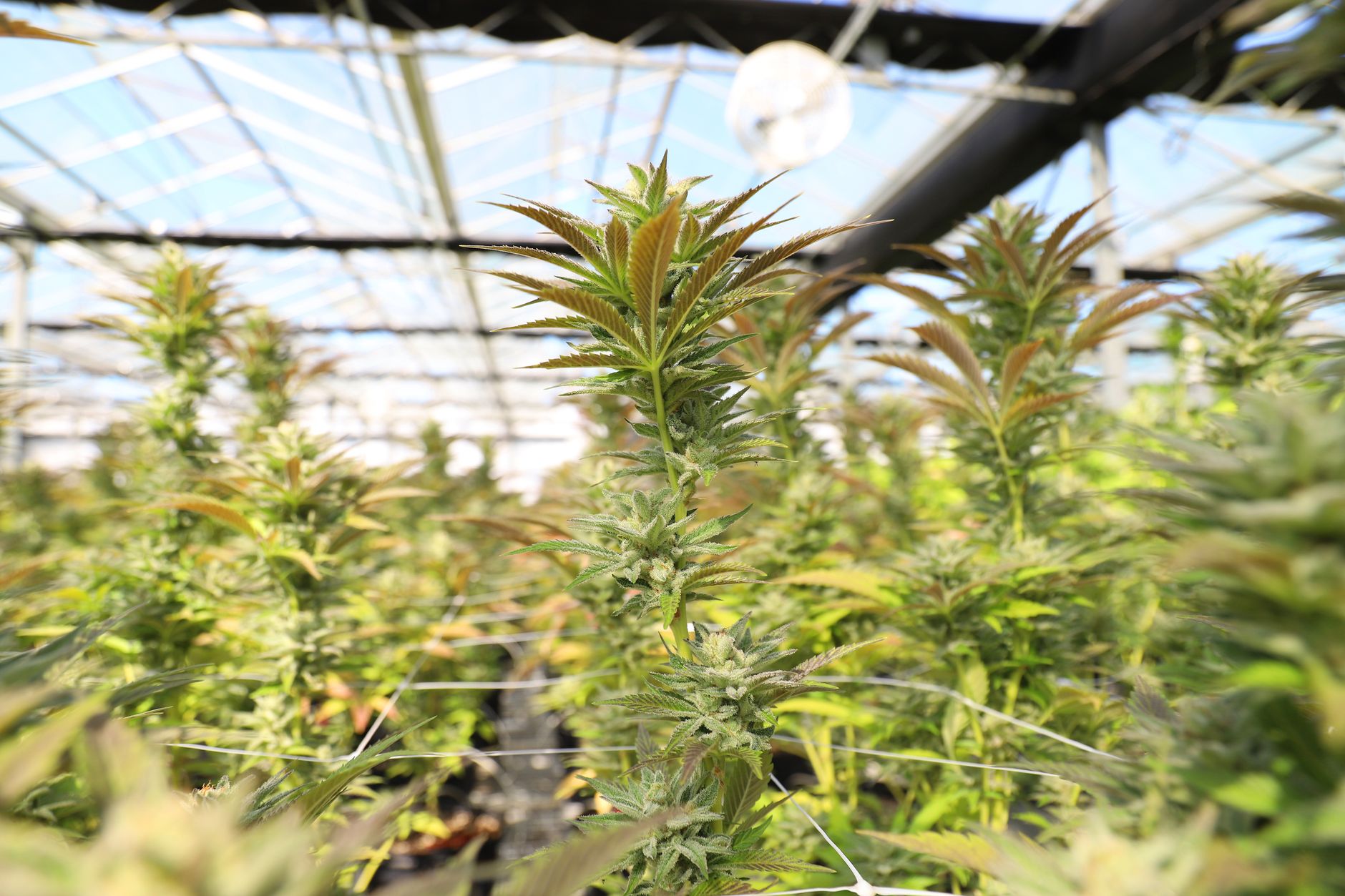
Photo by Cannafornia on Pexels