
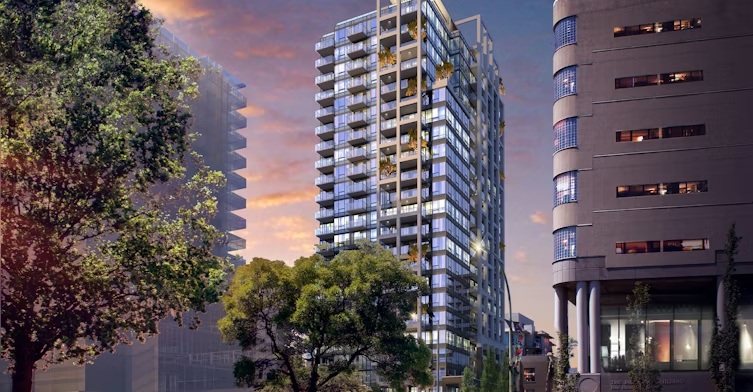
The “Renters’ Market” Reality: Why Singapore’s Property Demand Is Being Shaped by Long-Term Tenants

Singapore’s property market is often discussed through the lens of buyers and investors, but a growing force is quietly reshaping demand: long-term rental tenants. As more residents choose flexibility, job mobility, and lifestyle variety, rental demand is becoming a key driver of residential value—especially in mature districts.
For investors and homeowners alike, understanding the renters’ market is essential. It changes the way properties are evaluated, focusing on liveability, convenience, and long-term stability rather than short-term hype.
The Rise of Long-Term Tenants
Long-term tenants are increasingly common in Singapore, driven by job mobility, lifestyle preferences, and family considerations. Many residents prefer the flexibility of renting, especially when career paths are uncertain or when they value the freedom to relocate.
This shift has implications for property demand. Properties that appeal to long-term tenants tend to maintain consistent demand and stable occupancy rates.
What Tenants Prioritise
Long-term tenants typically prioritise practical living conditions. They look for properties that support daily routines, such as access to transport, amenities, schools, and green spaces.
Mature districts often meet these needs because they provide established infrastructure and a complete neighbourhood ecosystem. This makes them attractive to tenants seeking stability and convenience.
The Importance of Lifestyle Convenience
For long-term tenants, lifestyle convenience is a major factor. Access to local markets, hawker centres, gyms, and parks supports daily living without needing to travel far.
This is particularly relevant for families and professionals who value time efficiency. Tenants often choose neighbourhoods where daily life feels manageable and comfortable.
Stable Neighbourhoods Attract Long-Term Tenants
Mature districts are often preferred by long-term tenants because they offer stable environments. These districts typically have established communities and predictable living conditions.
Developments such as Hudson Place Residences are situated in areas where long-term tenants can find the practical convenience and stability they seek.
Schools and Family-Oriented Living
Families who rent long-term often prioritise school access. Neighbourhoods with established school networks are particularly attractive because they support long-term family planning.
This is one reason why areas like Dunearn House remain appealing to families who choose to rent for extended periods.
Rental Demand and Investment Stability
From an investment perspective, long-term rental demand supports stability. Properties that attract long-term tenants tend to experience lower vacancy rates and more consistent rental income.
This stability can be especially valuable during market fluctuations, as tenants prioritise liveability and convenience over speculative considerations.
Long-Term Value and Tenant Appeal
Properties that appeal to long-term tenants often maintain demand because they support practical living. This makes them resilient in changing market conditions.
As Singapore’s rental market continues to evolve, long-term tenants are likely to remain a core component of residential demand. Properties that support their needs will continue to be valued.
Conclusion
The renters’ market is increasingly shaping Singapore’s property demand. Long-term tenants prioritise practical living conditions, stability, and convenience—making mature districts and established neighbourhoods highly attractive.
Developments such as Hudson Place Residences and Dunearn House exemplify the type of properties that can appeal to long-term tenants due to their practical location and mature district convenience. In a market driven by lifestyle and stability, understanding the renters’ market is becoming essential for both homeowners and investors.


