

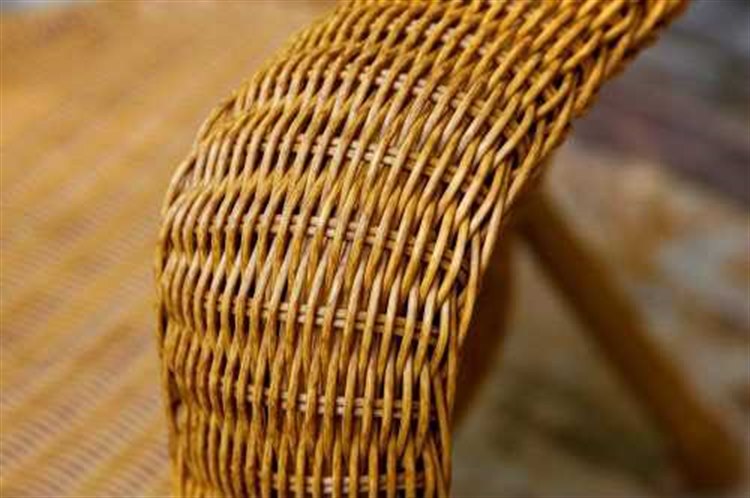
Wicker leader adorns porches, gardens, and living rooms about the experience, offering an enchanting blend of style and durability. However, as accompanying some added material, the cost-influence of straw-woven can change significantly depending on the type chosen.
In this blog post, we’ll investigate the various types of materials for Wicker Porch Furniture available and help you establish which individual gives the best bang for your buck without giving in on features or aesthetics.
Natural Wicker Materials: Elegance Meets Tradition
1. Rattan: The Gold Standard of Wicker
Rattan is arguably ultimate popular normal material for wicker couch due to its extraordinary strength and elasticity. Originating from the tropical domains of Asia, rattan can be spun into intricate designs that emit an elegant and timeless appeal.
Cost-Effectiveness:
Rattan is mainly more expensive than different natural matters due to allure durability and high-quality finish. However, for those willing to invest, rattan offers endurance and a classic look that justifies its price over period.
2. Willow: The Rustic Charm
Willow wicker supplies a rustic and raw beautiful, often seen in usual and vintage-style furniture. It’s inconsequential and easy to maneuver, making it a favorite for crafting baskets and tinier decorative pieces.
Cost-Effectiveness:
Generally more affordable than rattan, emerald in color’s cost-effectiveness lies in its approachability and the quaint charm it causes to furnishings.
3. Bamboo: Eco-Friendly Choice
It offers a light and light feel and can be worked out into modern designs without difficulty.
Cost-Effectiveness:
Bamboo strikes a balance between affordability and sustainability. While it may not match rattan’s durability, allure eco-friendliness and lower price point, manage a compelling alternative for those mindful of their budget and the atmosphere.
Synthetic Wicker Materials: Modern Innovation
1. Resin Wicker: The All-Weather Warrior
Resin wicker, as known or named at another time or place, all-weather wicker, is crafted from artificial fibers designed to bear harsh rustic conditions. It’s accessible in a wide range of colors and styles, contributing flexibility in design.
Cost-Effectiveness:
Resin straw-woven is highly economical due to its durability and minimal support requirements. It’s a wonderful choice for outdoor backgrounds where weather fighting is crucial. While originally more affordable than natural straw-woven, it is careful over time.
2. Vinyl Wicker: The Budget-Friendly Alternative
Vinyl straw-woven is another synthetic option famous for its affordability and flexibility. It’s lightweight, smooth to maintain, and feasible in various banner and styles.
Cost-Effectiveness:
As one of the most budget-friendly alternatives, vinyl wicker specifies an economical resolution for those seeking style outside breaking the bank. However, it may not offer the same level of genuineness or durability as different materials.
Conclusion
When it meets expectations, choosing an ultimate cost-effective straw-woven material, the decision largely depends on your distinguishing needs and preferences. Meanwhile, if weather opposition and low support top your list, resin straw-woven provides an ideal solution.
Ultimately, the most cost-effective straw-woven material is the one that meets your destined use, aesthetic options, and budget. By considering the characteristics and benefits of each type, you can make a cognizant decision that reinforces your space without compromising on quality or style.

